

Vibration is an unavoidable consequence of mechanical operation. Engines rotate, pistons reciprocate, fans change speed, and structures respond dynamically to these forces. While vibration is accepted, unmanaged vibration is one of the most significant contributors to reduced machinery lifespan and increased operational risk.
Across industrial, mobile and power generation environments, excessive vibration accelerates component wear and increases hazards for both equipment and operators. Understanding how vibration affects machinery and how it can be controlled is critical for achieving long-term reliability and safe operation.
Understanding Vibration in Machinery
Vibration occurs when mechanical forces cause repetitive motion about a reference point. In industrial machinery, this motion is typically generated by:
- Rotating imbalance in motors, alternators, fans and crankshafts
- Reciprocating forces in engines, compressors and pumps
- Structural resonance, where excitation frequencies align with natural frequencies
- Transient shocks, such as start-up, shut-down or load changes
Vibration is defined by two key parameters: frequency (how fast the vibration occurs) and amplitude (how severe the movement is). Even relatively small vibration amplitudes can lead to significant long-term damage if occurring continuously.
How Vibration Accelerates Machinery Wear
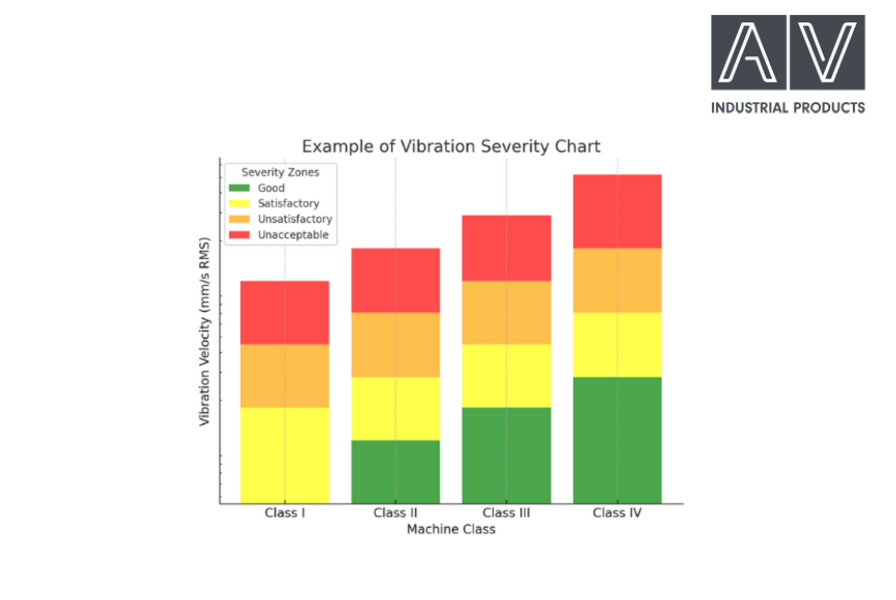
Mechanical components are designed to withstand specific loads and stresses. Vibration introduces cyclic loading, meaning components are repeatedly stressed and relaxed. Over time, this can lead to:
- Metal fatigue in frames, brackets and housings
- Bearing wear, caused by fluctuating loads and lubricant breakdown
- Loosening of bolts and fasteners, reducing structural integrity
- Shaft misalignment, accelerating seal and coupling failure
Fatigue damage is particularly dangerous because it is not visible. A component may appear intact; however, on closer inspection there may be detrimental issues that are not detectable to the naked eye.
The Impact of Vibration on Machinery Lifespan
One of the most direct consequences of excessive vibration is a reduction in Mean Time Between Failures (MTBF). As vibration levels increase, machine lifespan often drops exponentially.
Over the full equipment lifecycle, vibration-related issues significantly increase the total cost of ownership, particularly in applications where downtime carries high operational or financial penalties.
It is estimated that up to 90% of mechanical faults (imbalance, misalignment, looseness, bearing wear) can be diagnosed through vibration analysis before failure occurs.
Vibration and Operational Safety Risks
Vibration does not only affect machinery; it also creates operational safety risks for people and the surrounding environment.
For operators, prolonged exposure to vibration can lead to:
- Reduced concentration and reaction time
- Increased fatigue
- Discomfort and long-term health concerns
In many environments, vibration acts as a risk multiplier, increasing the hazards of other machinery and reducing overall safety.
The Effect of Noise Created by Vibrations
Noise is often a by-product of vibration. As components and machines vibrate, they pass sound energy into the surrounding environment. Heightened and consistent noise levels affect operator comfort and communication.
Secondary effects of vibration can have a direct impact on productivity, efficiency and workplace conditions. By moderating and controlling vibration, businesses can improve overall operational performance.
Why Vibration Problems Are Often Overlooked
One of the challenges with vibration-related damage is that it develops gradually. Unlike sudden mechanical failures, vibration damage accumulates silently over time.
Without proper measurement and analysis, vibration issues often go unaddressed until failure occurs.
Why Measuring Vibration Can Highlight Risks
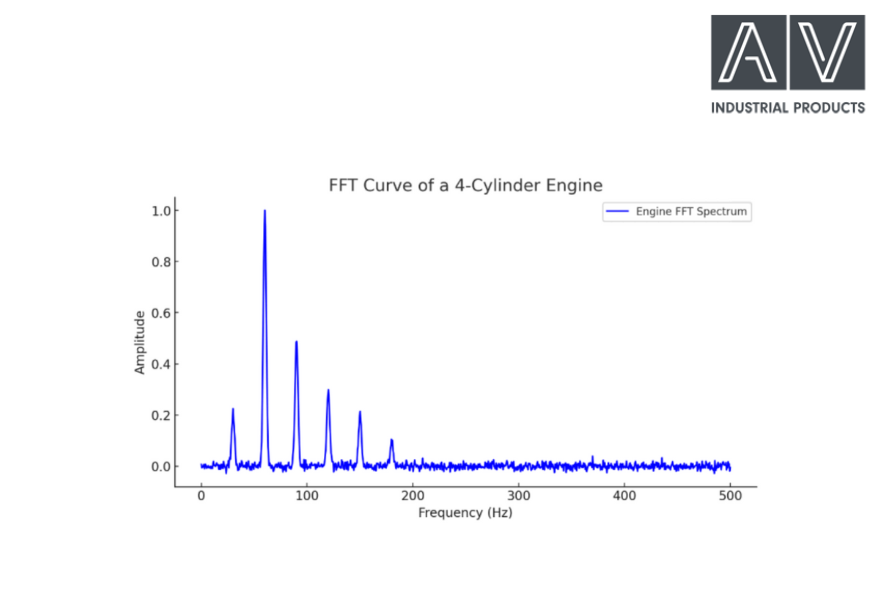
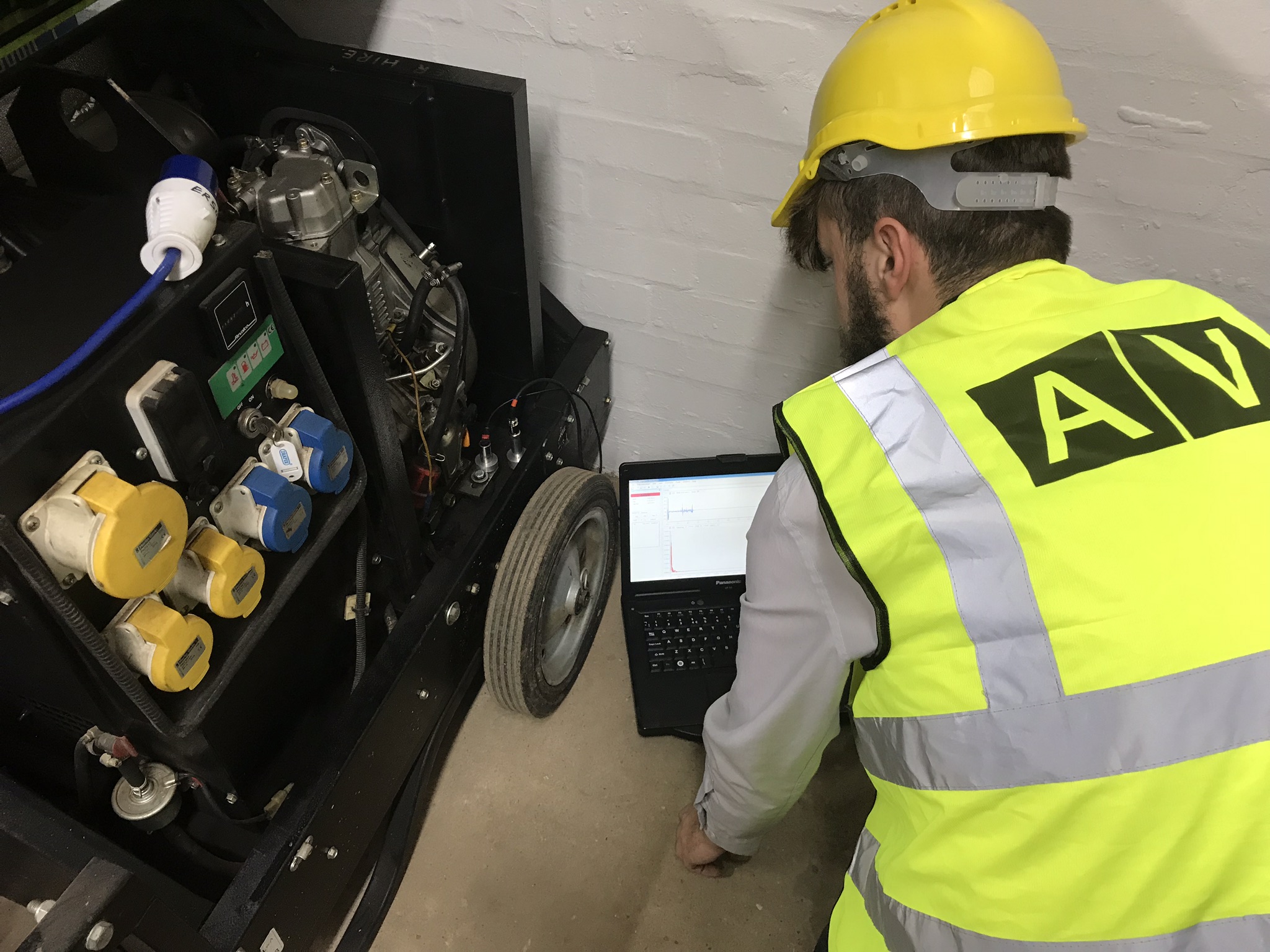
Accurate vibration assessment can highlight risks and provide cost-effective long-term solutions. Modern vibration testing uses accelerometers and Fast Fourier Transform (FFT) analysis to convert time-domain vibration signals into frequency-domain data.
This allows engineers to:
- Identify dominant vibration frequencies
- Detect resonance conditions
- Pinpoint imbalance, misalignment or structural issues
- Validate improvements after corrective measures
How Anti-Vibration Mounts Extend Lifespan and Improve Safety
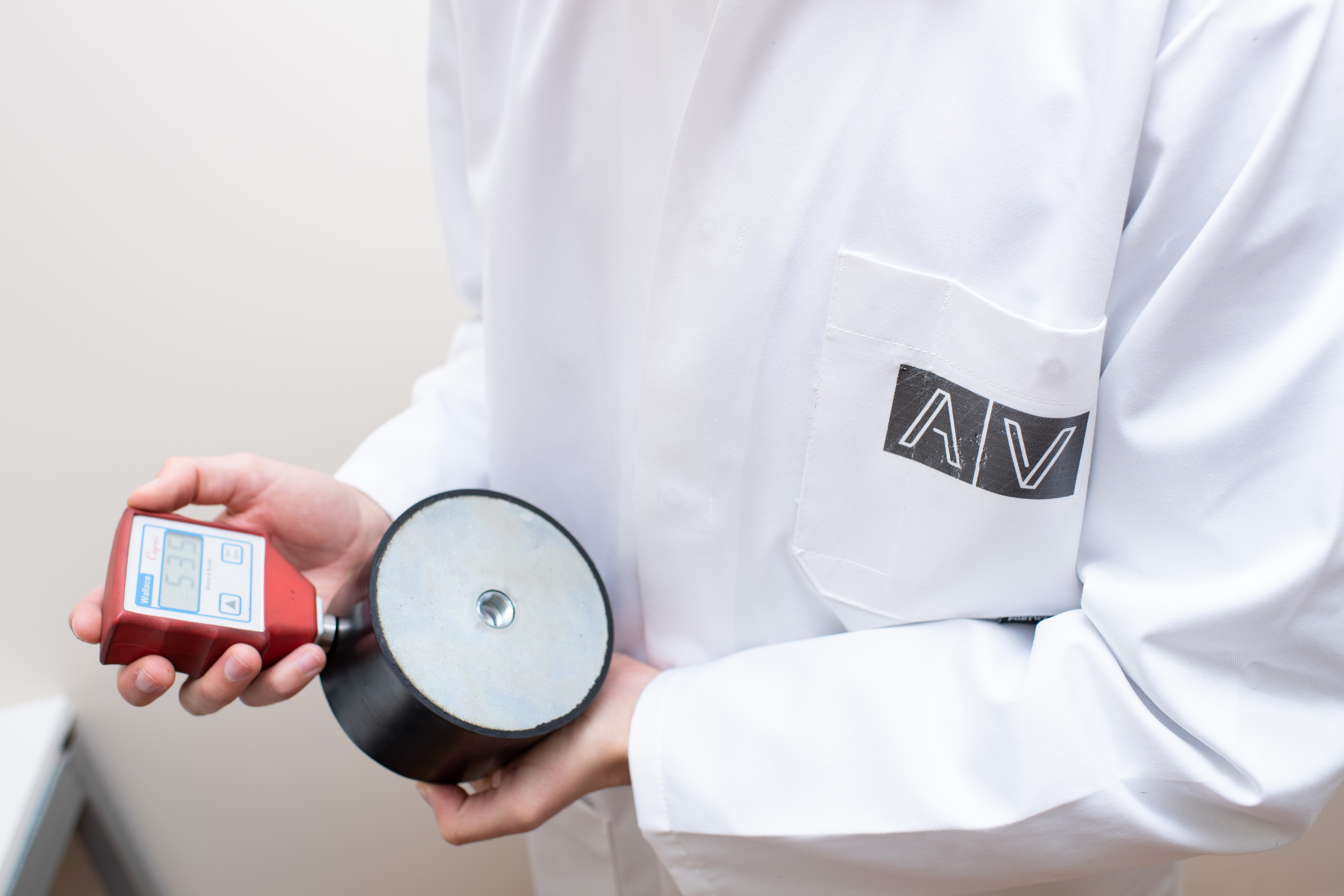
Anti-vibration mounts play a critical role in controlling vibration at its transmission point. By acting as a compliant interface between machinery and its supporting structure, mounts achieve two key functions:
- Isolation: reducing the force transmitted into the structure
- Damping: absorbing and dissipating vibrational energy
Correctly selected mounts can reduce vibration transmission by typically 70% to 95%, depending on the application and mount type. By limiting vibration transfer, machinery components experience less fatigue, improving reliability, safety and overall equipment efficiency.
How AV Industrial Products Can Help
At AV Industrial Products Ltd, we specialise in the design, manufacture and supply of anti-vibration mounts for a wide range of industrial and military applications. Our approach is engineering-led, combining practical experience with testing, modelling and material expertise.
Beyond supplying products, we also offer vibration surveys, FFT analysis, computer modelling and bespoke mounting solutions tailored to real-world operating conditions. For expert advice on vibration control and anti-vibration mounting solutions, our engineering team is always on hand to help.