
Power Generation and Renewable Energy
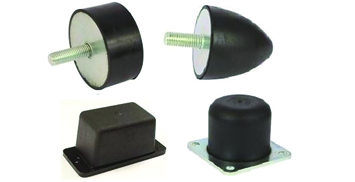
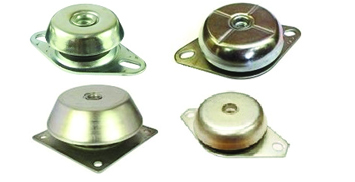
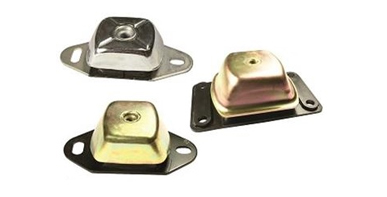
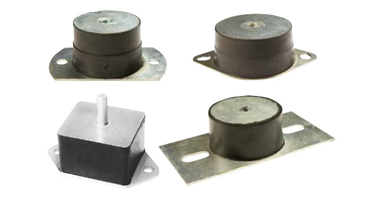
AV Industrial Products Ltd are a leading manufacturer of anti-vibration mountings for the Power Generation Industry. Our products can be found installed to the machines of many leading Power Generation manufacturers across the globe. Our company has been focused on the Generating Set market for several decades, and hence many of our products and services are tailored to the Power Generation Industry, such as Mount Loading Calculations, Frequency modelling, Seismic applications, and on-site Vibration Surveys. Our engineers have a over 100 years combined experience working within this sector, allowing us to provide the very best solutions and at the most competitive prices.
In recent years, the renewable energy sector has grown year on year, with ever more innovative solutions being created to generate clean forms of power and energy. The importance of renewable energy systems demand that long lasting and efficient vibration reduction solutions are put in place. Afterall, excessive vibration can be detrimental to the service life of renewable energy structures and systems. At AV Industrial Products, we offer an array of products and services for those within the power generation industry. Whether you are a private contractor or a larger OEM manufacturer, we can work collaboratively to recommend anti vibration solutions for your application. Contact us today to discuss your requirements.
Power Generation and Renewable Energy
Whether you specialise in engine driven generators, or renewable energy equipment such as wind, water, solar or wave systems, our technical team can collaborate on solutions that improve system efficiency and longevity. We do this by tackling excessive vibration, which, if left uncontrolled, can reduce longevity of your equipment. We offer a range of products and services which can be tailored to suit your application. Whether you require mount recommendations, advice on anti-vibration mountings, or a vibration survey, our team can help. Contact our team today.
Typical applications include;
- Generating Sets
- Diesel Engines
- Marine Equipment
- Seismic zone protection
- Wind Turbines
- Renewable energy equipment